




OUR PROJECTS






(Science, Technology, Engineering, and Mathematics)
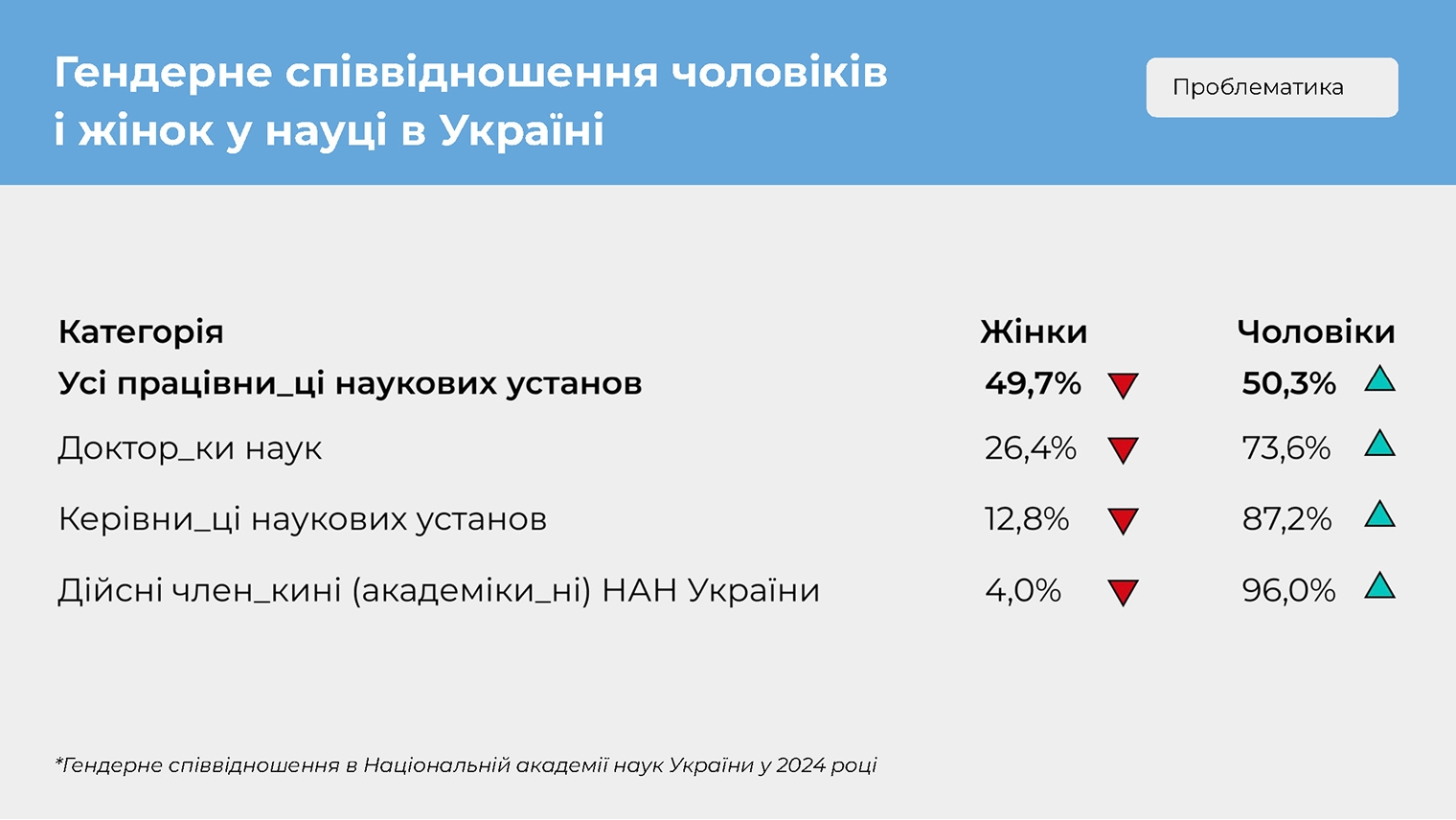
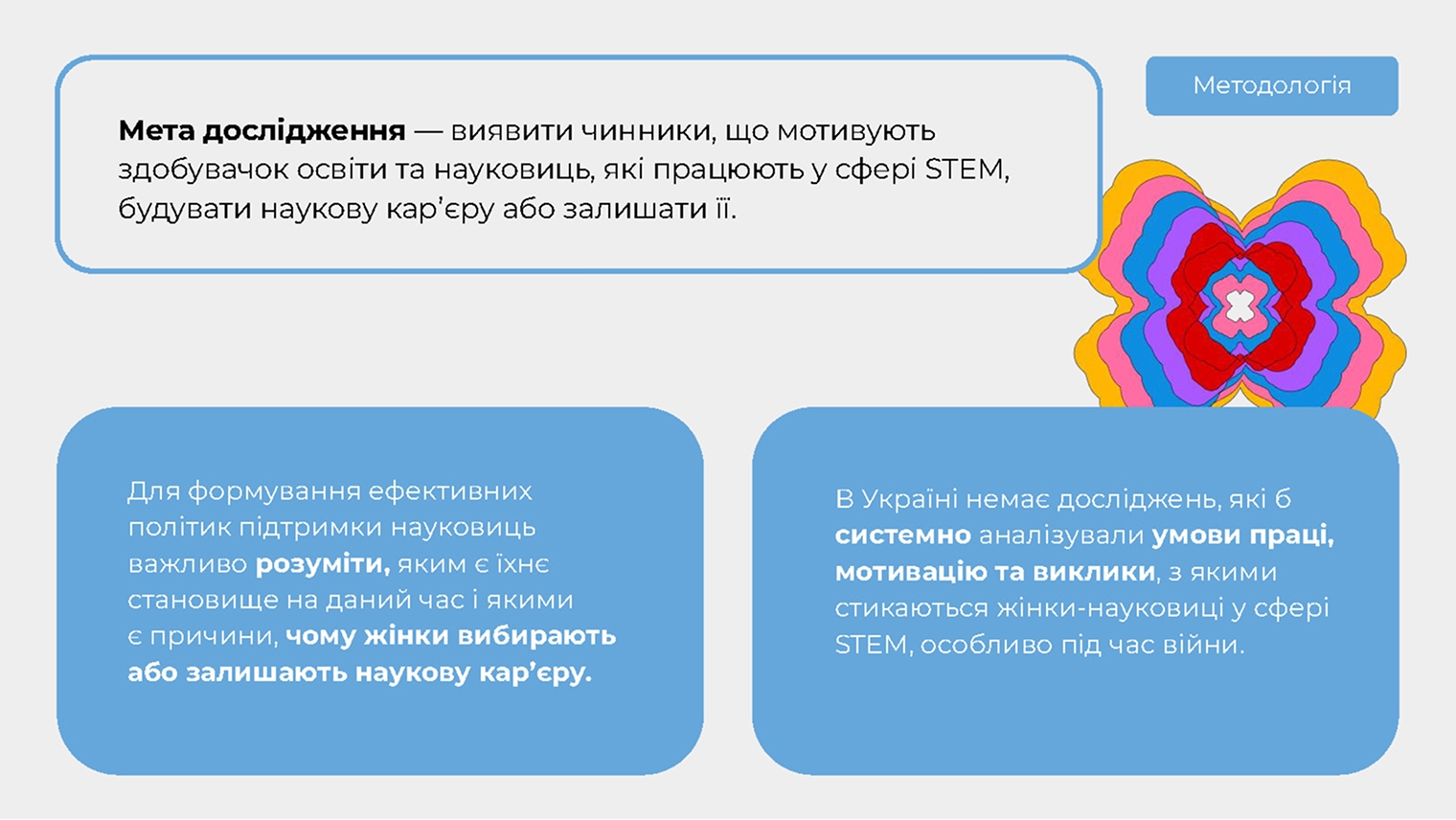
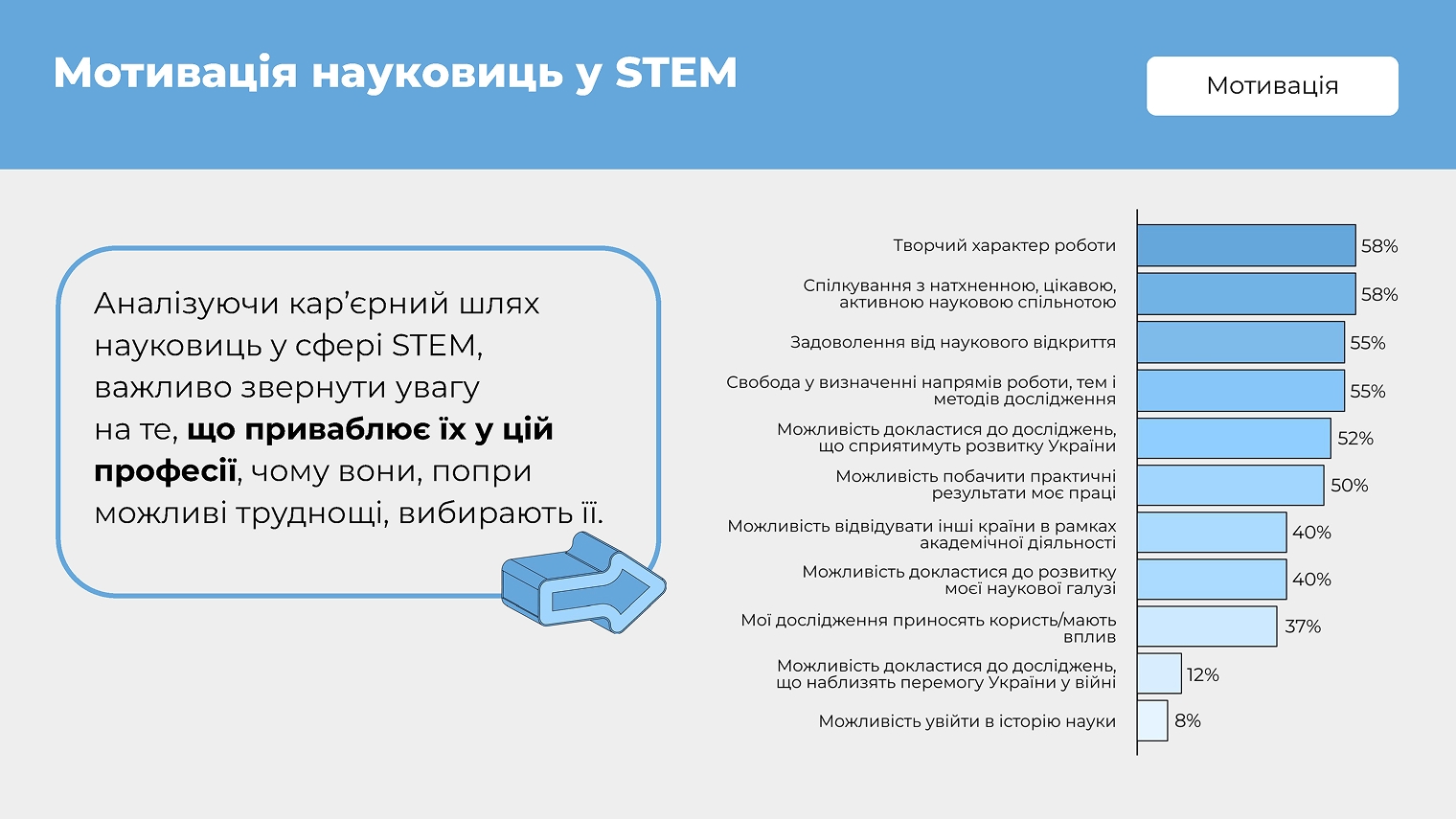
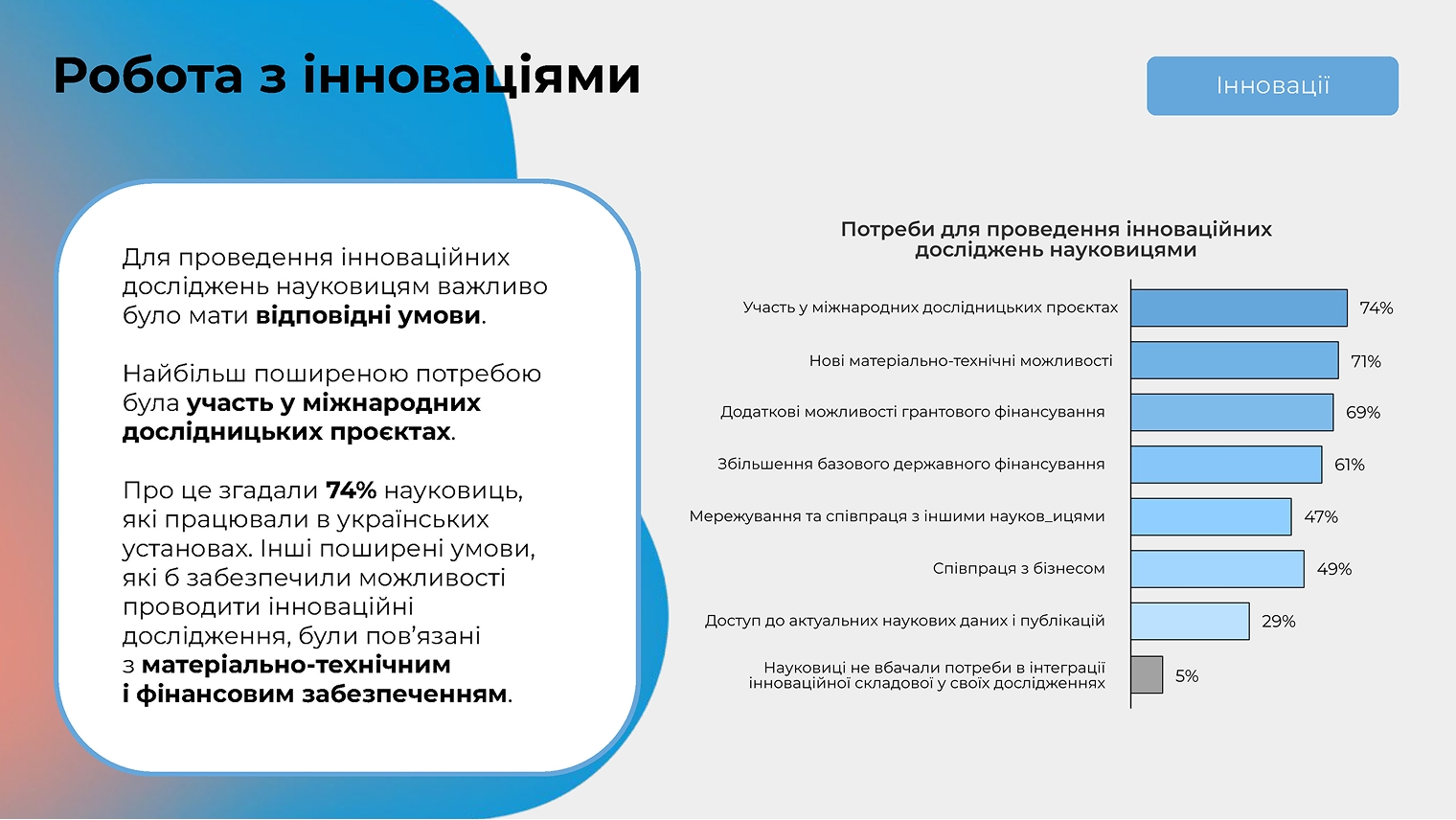
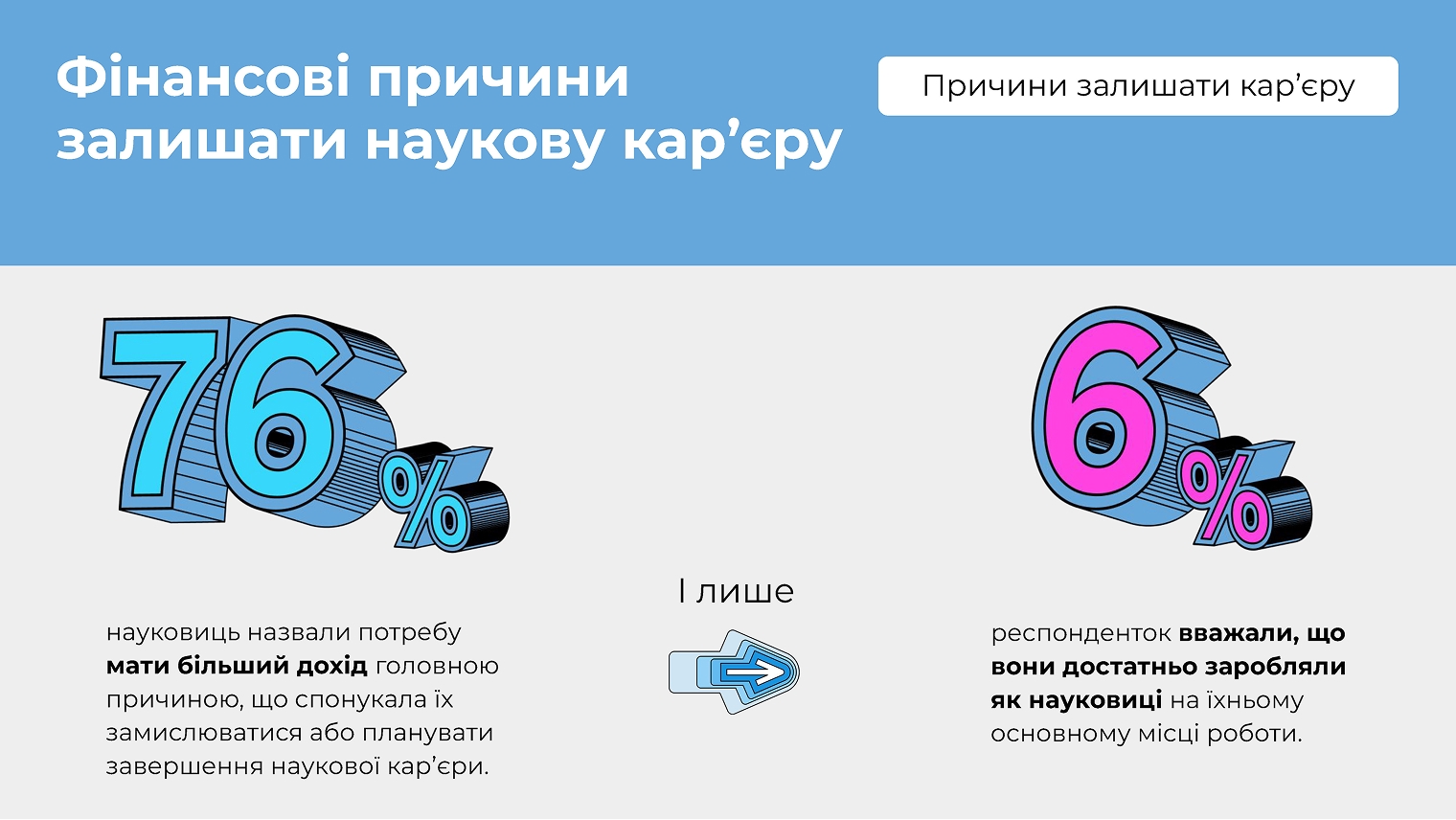
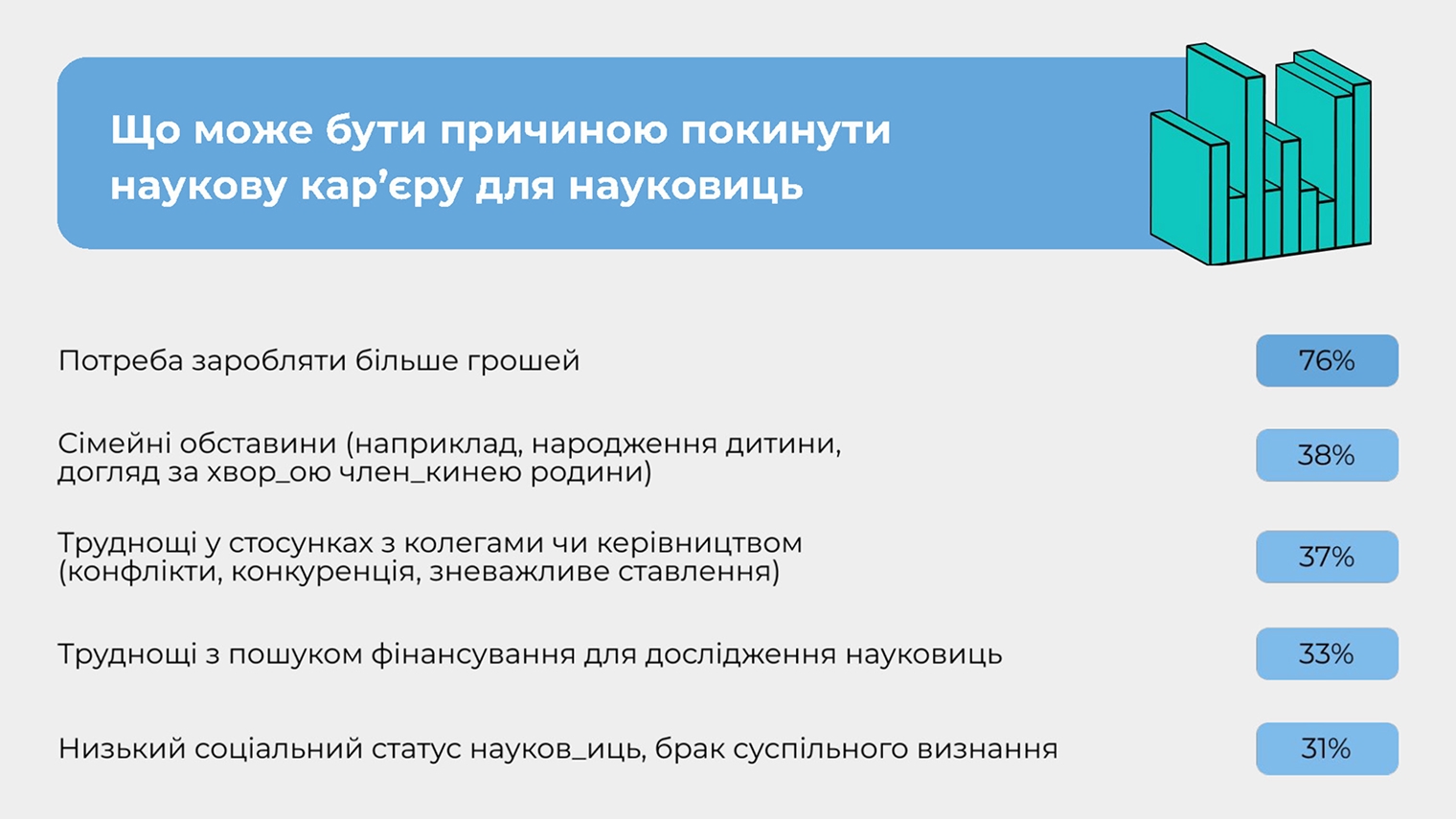
The goal of the research is to identify the factors that motivate female students and researchers working in STEM to pursue or leave a career in science.
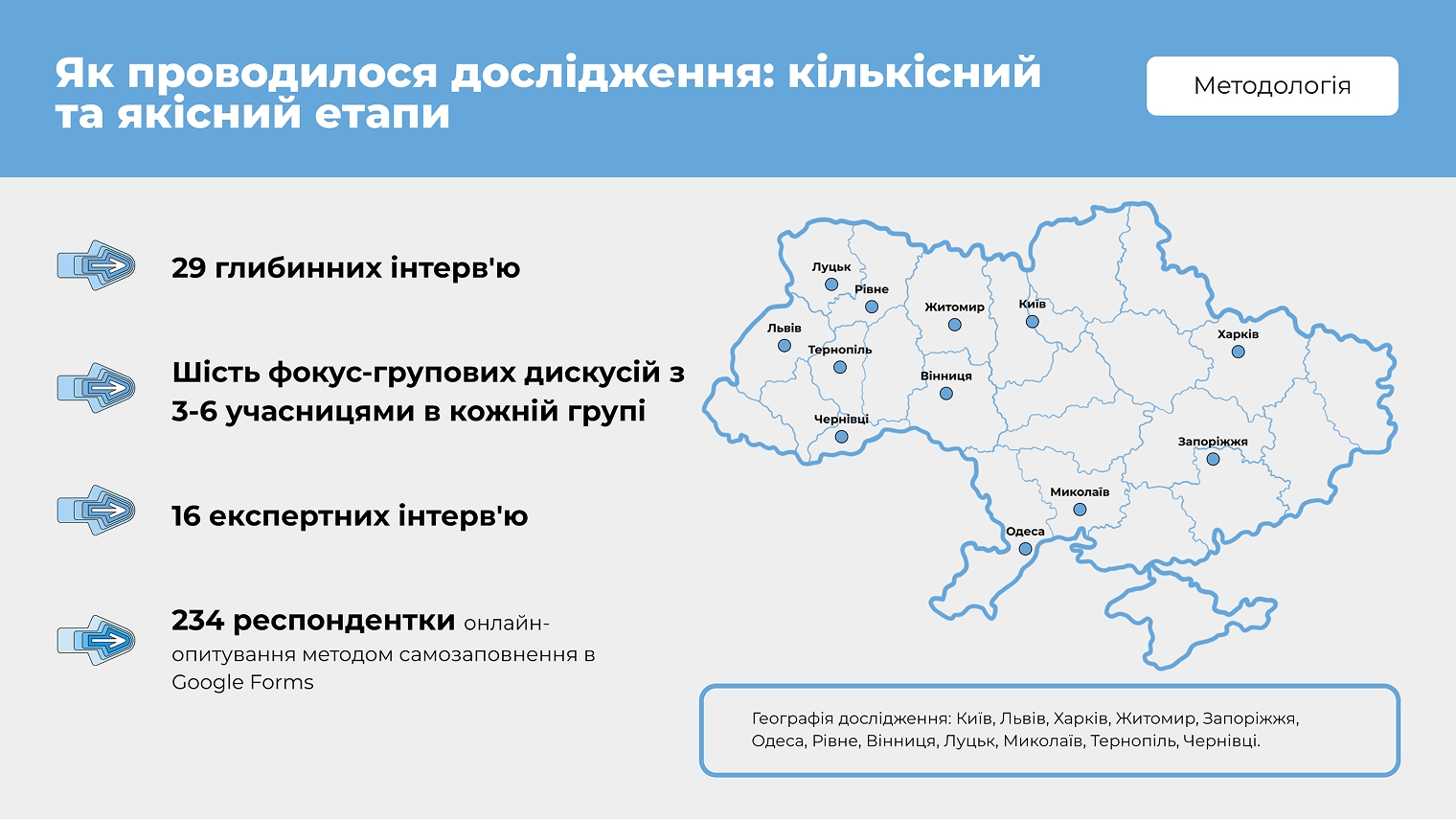
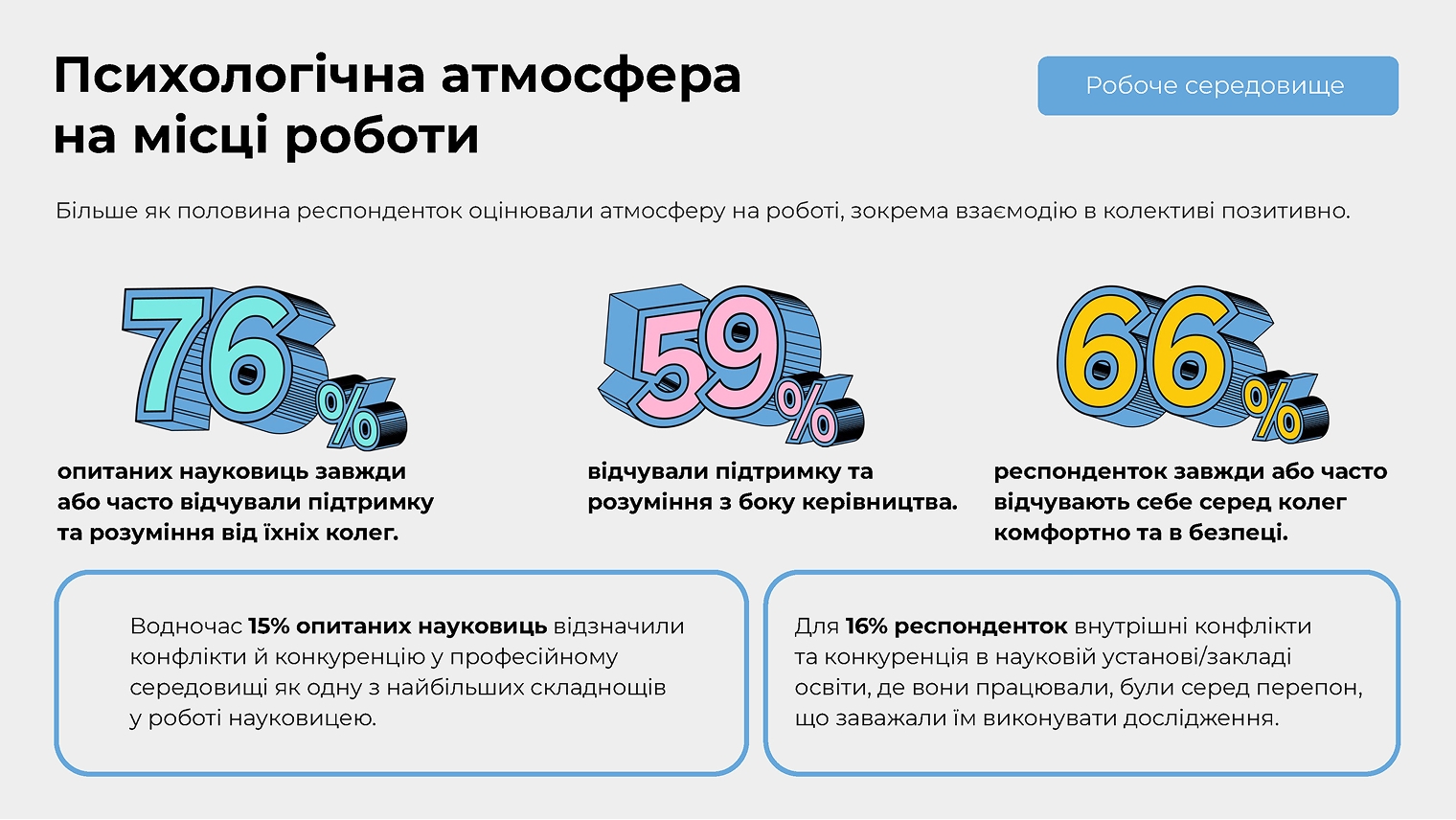
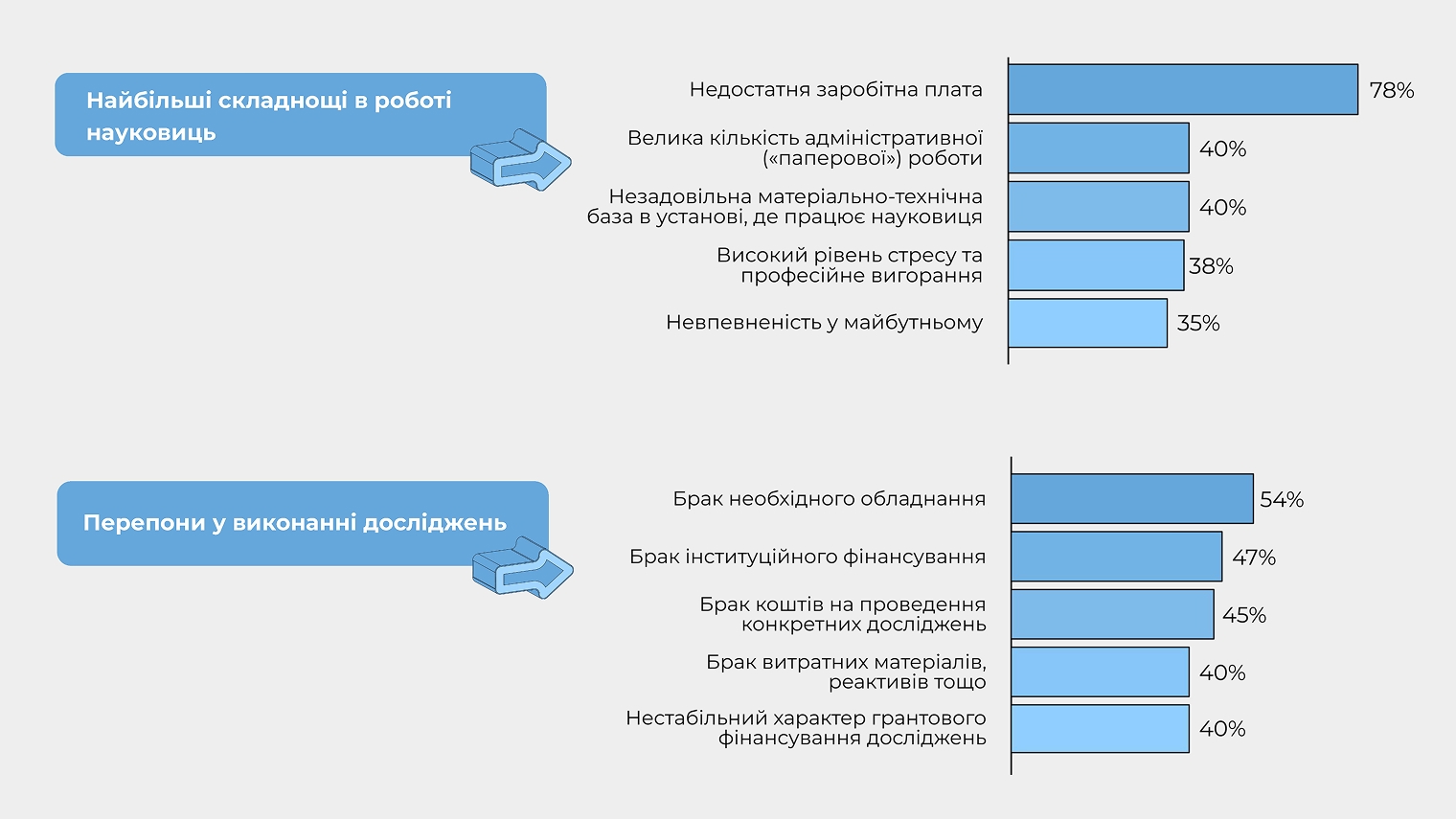
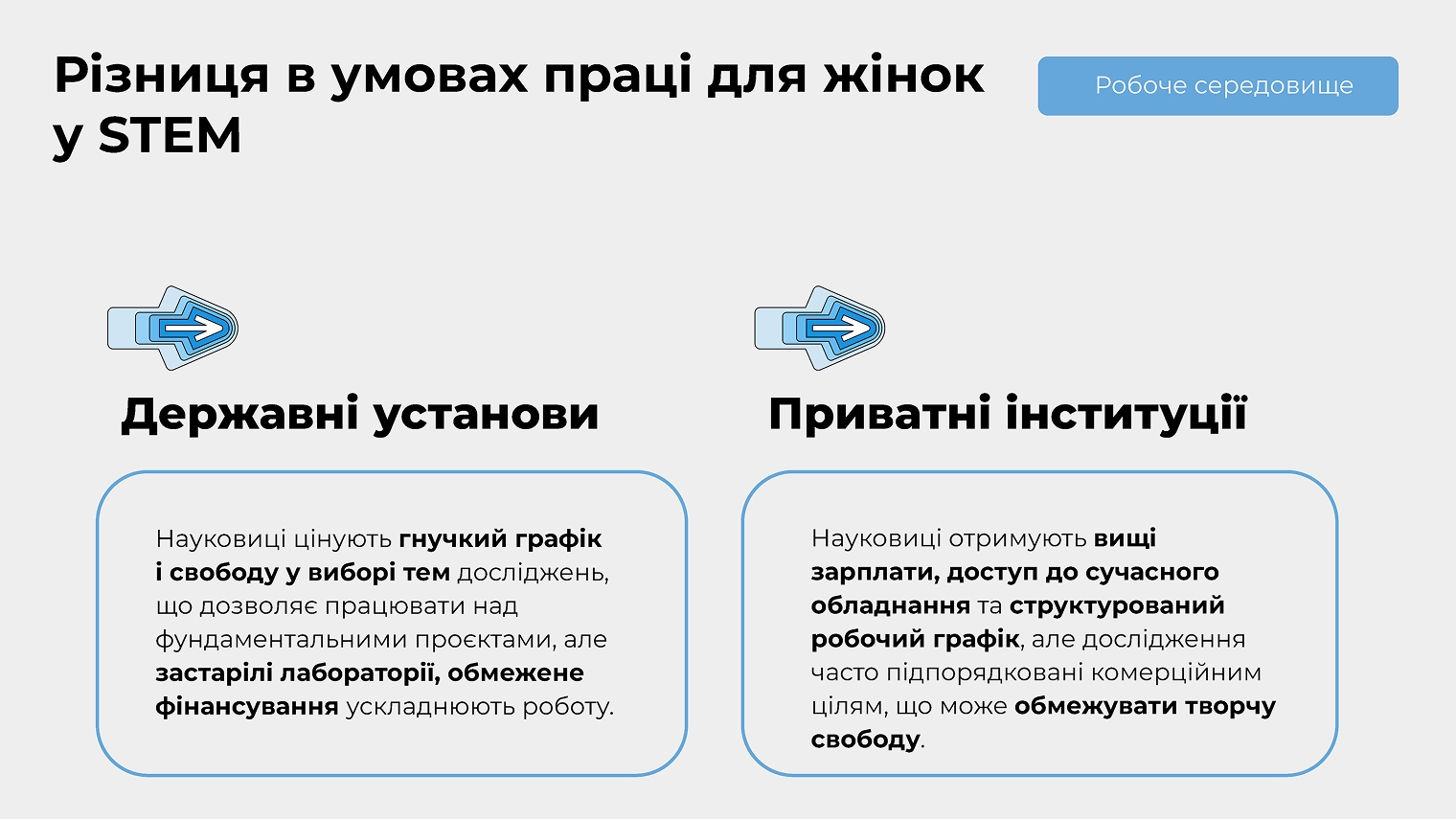
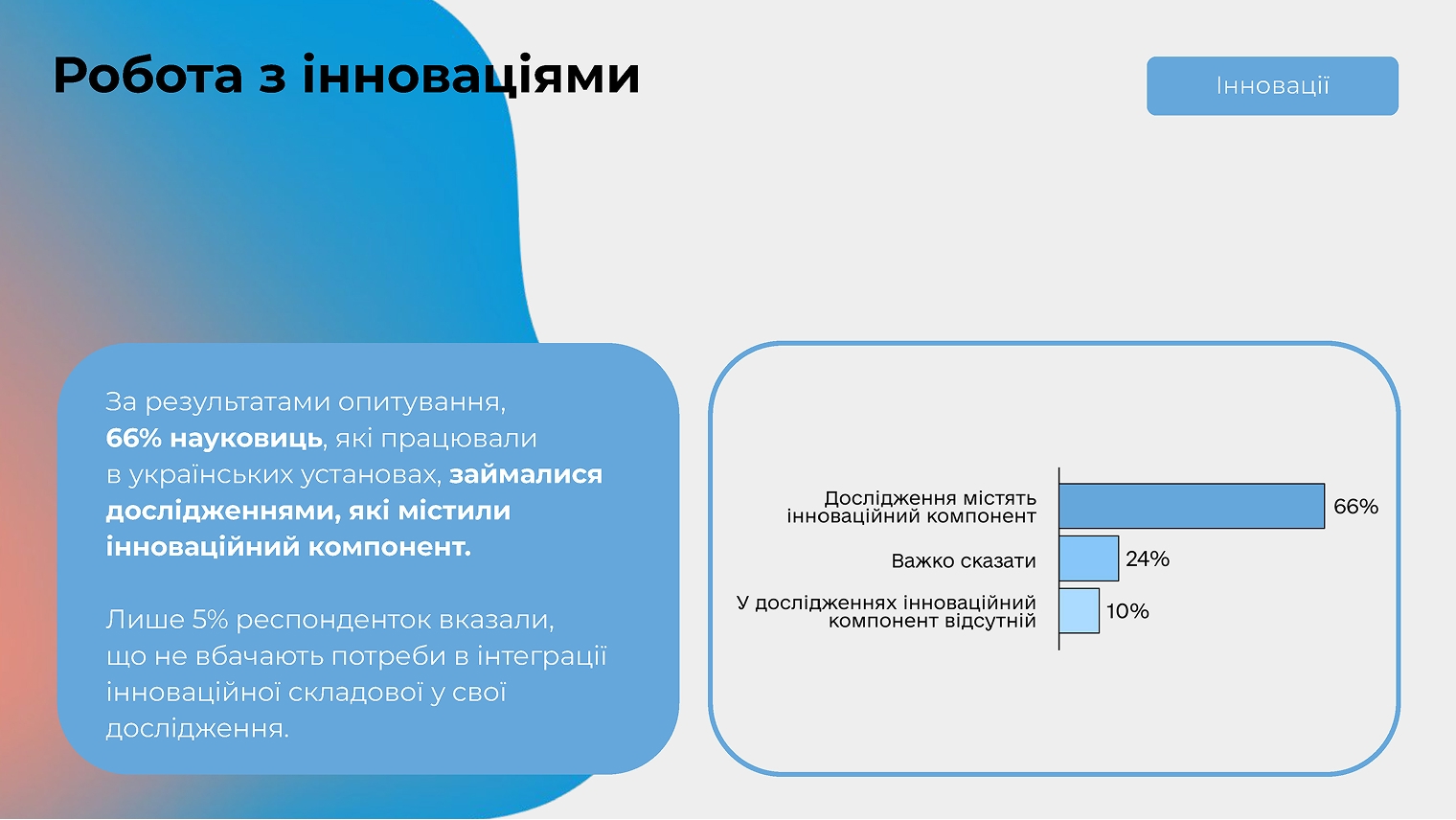
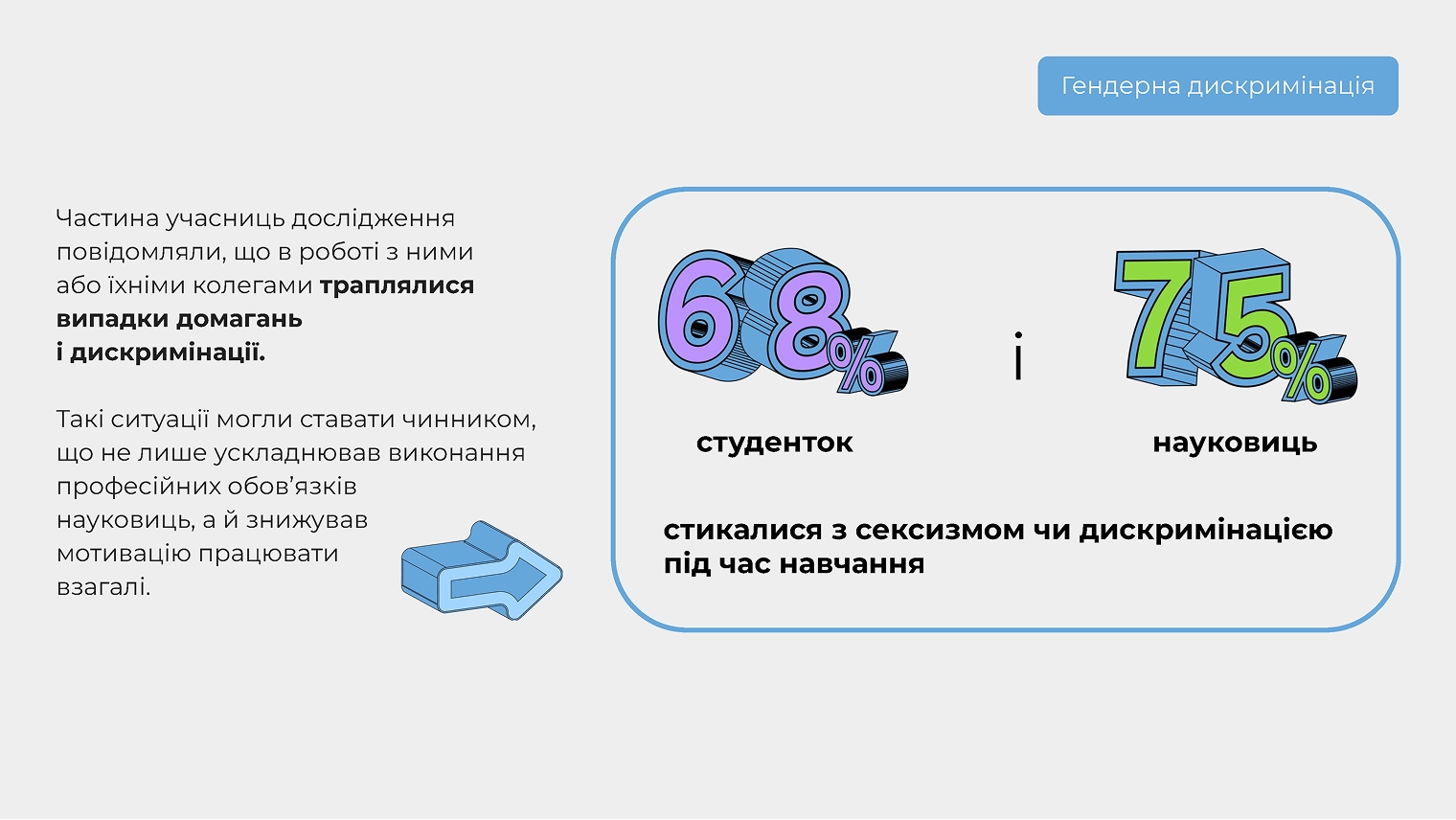
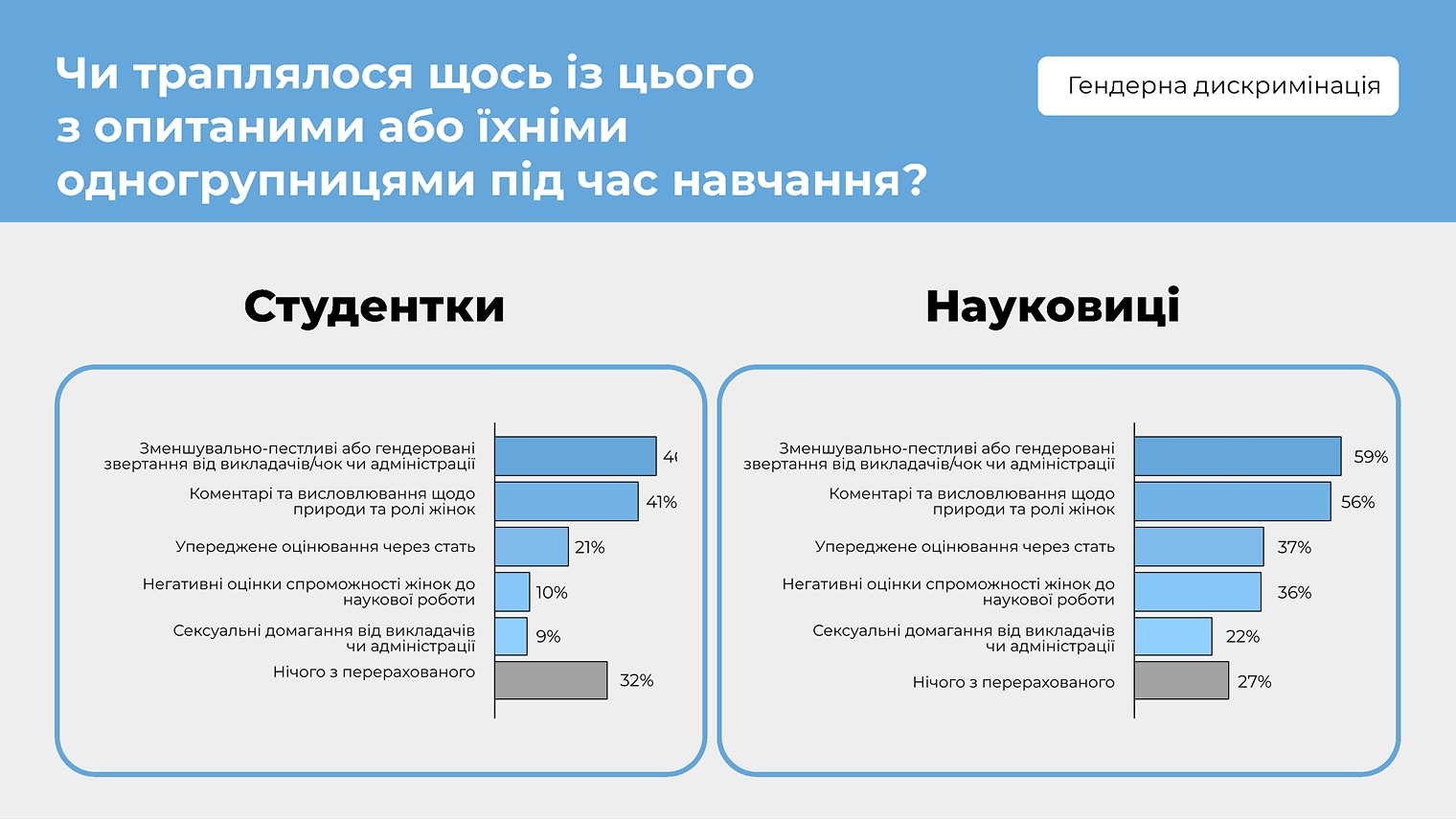
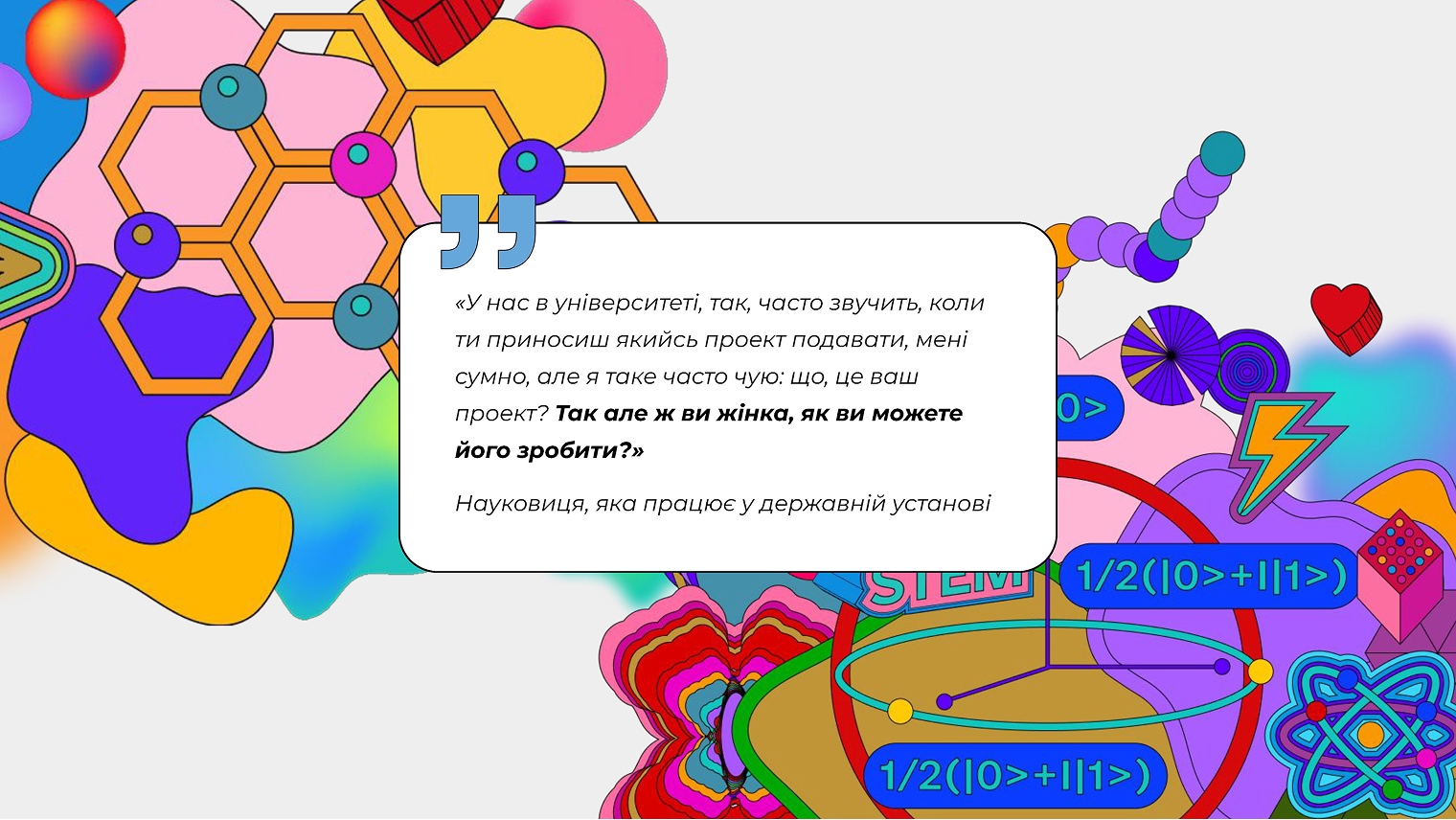
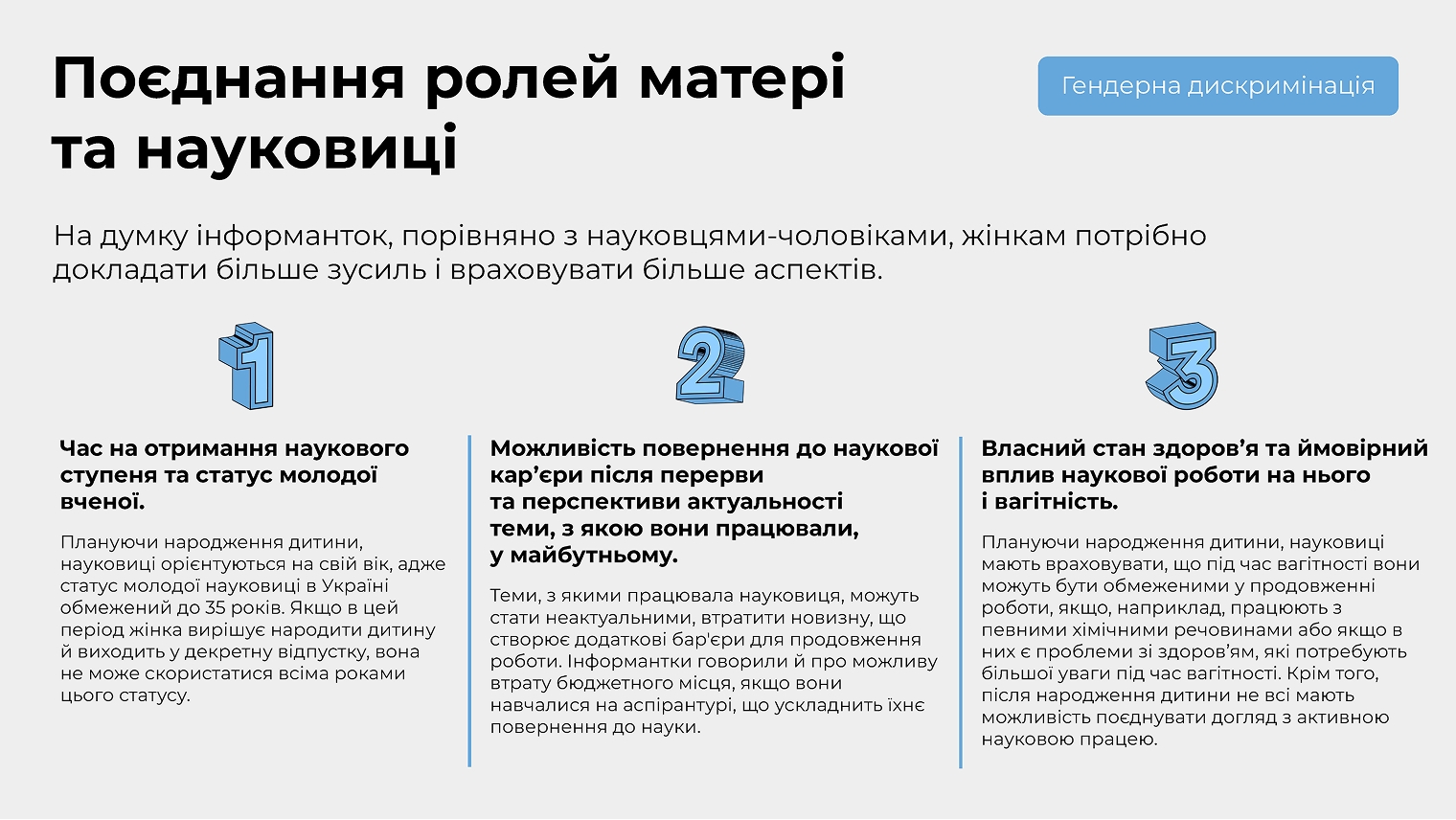
Quantitative surveys, focus groups, in-depth and expert interviews made it possible to identify key trends, common experiences and problems faced by women in science. These results provide an understanding of the contexts in which female scientists build their careers.
The research results will form the basis for implementing changes and creating an effective support system for women in STEM. You can join these processes and use the data from the report in your work:

Government institutions
To develop policies and programmes that support women's development in STEM and promote equal opportunities in education and science.

Business
To develop effective strategies for attracting and developing women in STEM, implementing mentoring, internship and training programmes, and forming inclusive teams.

Media
To create materials that highlight the topic of women in science, based on verified data and the experiences of real people.

Philanthropic organisations
For foundations and non-governmental organisations — to advocate for gender equality in science and create projects that meet the real needs of women in STEM.

Educational institutions
To implement educational practices that encourage girls and women to develop in STEM and to foster a culture of equality in school and university environments.
Download the research, share its findings, and join us in supporting women in STEM.
The study was conducted by the INSCIENCE organization and the analytical center Cedos, as part of the “WOMEN IN SCIENCE” project in the framework of the “EU 4 Gender Equality: Together against gender stereotypes and gender-based violence” programme (phase 2), funded by the European Union, implemented jointly by UN Women and UNFPA.
This study was conducted with the financial support of the European Union. Its content is the sole responsibility of UN Women and do not necessarily reflect the views of the European Union.


The WOMEN IN SCIENCE project is implemented in the framework of the «EU 4 Gender Equality: Together against gender stereotypes and gender-based violence» program (phase 2), funded by the European Union, implemented jointly by UN Women and UNFPA.
This website was produced with the financial support of the European Union. Its contents are the sole responsibility of UN Women and UNFPA and do not necessarily reflect the views of the European Union.
INSCIENCE is an organization that promotes science and evidence-based medicine, enhancing their value for society, business, and the state through science popularization projects.
We make Ukrainian scientists and doctors visible and contribute to the development of critical thinking by advocating for a scientific approach to understanding the world.